
The Invisible Hula Hoop
How a 1980s toy could inform your boundary-setting
I don't know if Hula Hoops are still a thing, but they were big in the 1980s. Not the crisps (which I am also quite partial to) - the big plastic hoops which you gyrated around your waist/hips to try and keep up.
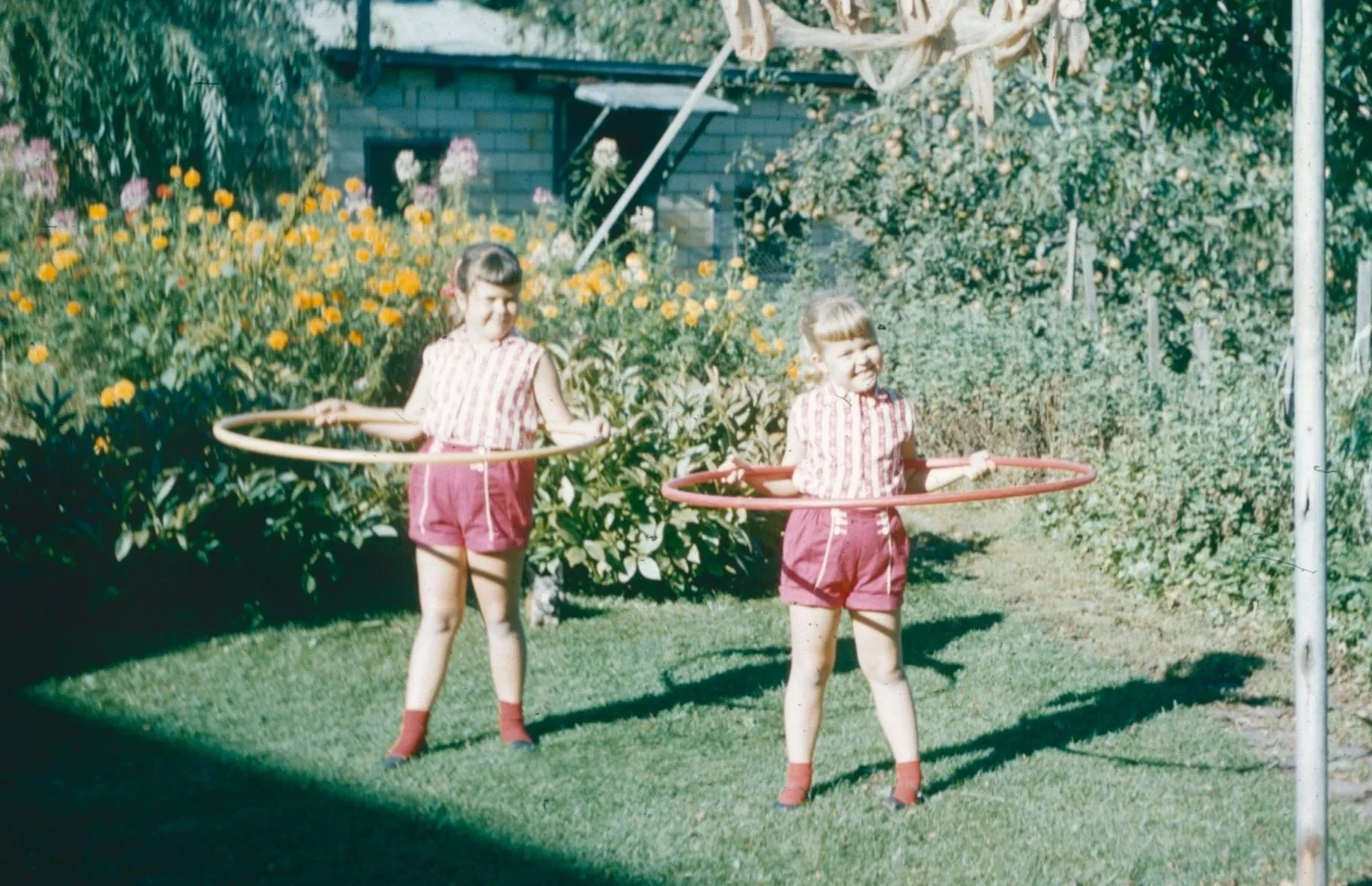
Hula hoopers (not me!) courtesy of @anniespratt
I was never very good at hula-hooping (I couldn't cartwheel either), but I have found the concept of the hula hoop to be a useful concept when thinking about boundaries.
So - imagine you have an invisible hula hoop around you. Inside this hula hoop is all the ‘stuff’ which is your business and your responsibility: your actions; your feelings; your words; your responses; your body; your needs; your choices about your body; who touches you; what you eat; your thoughts; your words; and your money. (There are probably other things I’ve forgotten, but you get the picture).
Everything outside the hoop belongs to other people - even if they don't like how you feel or what you need. This hoop helps us get clearer on what's ours and what's not.
Everyone has their own invisible hula hoop, with their own 'stuff' which is their business - and their responsibility.
A couple of problems can emerge with hula hoops
The first is when we reach into other peoples' hula hoops. This could be telling people what they should do, how they should feel, what they shouldn't have done, what they should prioritise. If it's not in your hula hoop, then, as Salt 'n' Pepa would say (I really am showing my age here) it's none of yo' business. Unless asked/invited - but even then, be cautious.
The second is when we give too much weight to things outside of our hula hoop: what people think of us; how someone else feels about what you've said; their reactions; their opinions; their needs. Some of these things we may be able to influence, but they're not our responsibility and we can't change them at will because - you've got it - they're not in our hula hoop.
When the hoops get muddled (no venn diagrams, please)
So far, so simple. But for people who have grown up having to manage other people's emotions - or in environments where our own needs weren't particularly important - it is not as simple as it seems. Some subtle hula-hoop venn diagrams can start to take place without us even realising.
Others step into your hoop: someone tells you how to feel, someone makes you responsible for their reaction, or it feels like you can't occupy your own space without there being consequences - a withdrawal, a confrontation, a heaviness in the room.
You reach into others' hoops (even subtly): you manage someone else's feelings so they don't escalate, you say yes when you mean no, you ignore something you needed in order to keep the peace - and then wonder why you feel so depleted, or resentful.
At some point - probably in childhood - these adaptations made a lot of sense. They don't any more. Now, in adulthood, is the time to manage your hula hoop effectively.
A caveat
None of this means living in splendid isolation, each of us sealed off in our own glorious hoop (although, if we’re doing that, I’d like a hoop with glitter on pls). You're allowed to make requests - it can be helpful to ask for things. Others can make requests of us. "Please don't do that." "I'd really like it if you did this."
What you can't do is direct stuff which is inside someone else's hoop. You can ask, but you can't make them comply, feel a certain way, or say what you want to hear. It works the other way too: nobody can make you feel or do something unless you allow it.
So how do you spot a hoop breach?
Your body is a good indicator of hula hoop breaches or excursions: a tightness in your chest, your jaw, or your shoulders; low-grade anxiety; surveying the other person's face for clues about how they're feeling; wanting to jump in and advise or fix. These signals are like the warning light in a car - worth attending to.
Putting it into practice
Here are some questions you can ask yourself to work out what's going on with the hula hoops in your life.
1. When are you reaching into others' hoops?
→ Times when you try to manage someone else's feelings or reactions.
→ Times when you ignore your own needs to keep the peace.
→ Times when you've apologised for something that wasn't yours to apologise for.
2. How do others reach into your hoop?
→ Times when someone tries to tell you how to think, feel, or be.
→ Times when it feels like you can't have your own space.
→ Times when saying no felt like it would cost you something.
3. How do you know it's happening?
What do you notice in your body or behaviour? Do you tense up? Go quiet? Feel anxious? Start rehearsing what you'll say next instead of actually listening?
4. How do you reset your hoop?
Sometimes it's as simple as coming back into your body. Grounding yourself: shoulders relaxed; a slow breath; splashing water on your face or hands.
Just one last thing…
… I couldn’t resist a Columbo reference to make this a truly 80’s blog. You don't have to do a hula hoop reset this instant. Just clock it, and choose one small way you can stay in your hoop this week.
Some examples: not managing someone else's reaction; saying something you'd usually leave unsaid; declining to jump in and fix something; not keeping the peace or acting as intermediary.
Rome wasn’t built in a day and your hula hoop may need some repair - but if in doubt, ask yourself - “is that in my hula hoop?”
———
(ps - some of you who read this far will tell me some of my references are quite 1970s, too, or that hula hoops are from the 50s. I’ll concede that).